Buy menü.eu ?
We are moving the project
menü.eu .
Are you interested in purchasing the domain
menü.eu ?
domain@kv-gmbh.de · 0541-91531010
Buy menü.eu ?
'besteht?' translates to 'exists?' in English.
"Besteht?" translates to "exists?" in English. This question is used to inquire about the presence or existence of something. It is often used to confirm whether something is real or present in a particular situation. For example, "Besteht dieses Problem?" translates to "Does this problem exist?" **
'kommt?' translates to 'coming?' in English.
"Kommt?" is a question in German that translates to "coming?" in English. It is used to inquire about someone's arrival or presence at a certain place or event. The question is often used to confirm if someone is on their way or if they plan to attend a specific location or gathering. **


Similar search terms for Translates
Top-Angebote
Products related to Translates:
-
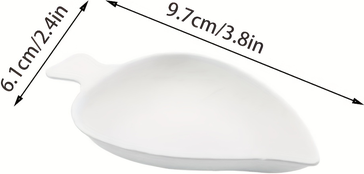
The Handy Homestead Leaf Disposable Appetizer Plates For Desserts Snacks And Party Serving 50pcMake every bite feel beautifully presented with these 50pcs disposable appetizer plates designed for effortless entertaining. This 50piece set features compact 9.7cm leafshaped plates, perfect for serving desserts, snacks, appetizers, sauces,...39,97 $*Shipping: 0,00 $Secure redirect to the provider
-
Inspired Living Retro Acacia Wood Round Serving Platter For Pizza, Desserts And Snacks 15cmBring natural warmth and effortless style to every meal with this wooden serving platter. Crafted from acacia wood with a smooth, round profile, it gives everyday snacks and special spreads a charming rustic presentation. This versatile round wooden...26,97 $*Shipping: 0,00 $Secure redirect to the provider
-
Shop Station Ultra Thin Bone Plate Irregular White Serving Plate For Desserts, Snacks & Sauces bBring effortless elegance to every serving with this bone china plate, designed to make even simple dishes look beautifully presented. Its ultrathin profile, clean white finish, and organic silhouette create a refined alternative to ordinary round...54,97 $*Shipping: 0,00 $Secure redirect to the provider
-
Inspired Living Nordic Oval Gold Stainless Steel Serving Tray For Snacks, Desserts & Vanity Storage silver MYou know that feeling when everything looks more put together with one simple detail This sleek oval tray instantly elevates snacks, desserts, and everyday essentials with a clean Nordic look and a warm gold finish. Use it as an oval snack plate for...23,97 $*Shipping: 0,00 $Secure redirect to the provider



-
'aus?' translates to 'out?' in English.
''aus?'' is a German word that translates to ''out?'' in English. It is commonly used to inquire if someone is leaving or going out of a place. The question mark at the end indicates that it is a question. **
-
'sieht?' translates to 'looks?' in English.
''Sieht?'' is a question in German that translates to ''looks?'' in English. It is often used to inquire about the appearance or visual perception of something. This question prompts the listener to provide their opinion or observation regarding what they see. **
-
'dunklen?' translates to 'dark?' in English.
Yes, "dunklen?" translates to "dark?" in English. The word "dunklen" is the accusative form of the adjective "dunkel" in German, and it is used to inquire about the darkness of something. In English, the question mark at the end indicates that the speaker is asking if something is dark or if a situation is unclear or mysterious. **
-
'Fragt' translates to 'ask' in English.
In German, the word 'fragt' translates to 'ask' in English. It is the imperative form of the verb 'fragen,' which means 'to ask.' So, 'fragt' is used to give a command or request for someone to ask a question or inquire about something. For example, "Fragt ihn, ob er heute Abend kommen kann" translates to "Ask him if he can come tonight." **


'kann?' translates to 'can?' in English.
Yes, "kann?" translates to "can?" in English. It is a simple question in both languages that is used to inquire about someone's ability or permission to do something. The word "kann" is the conjugated form of the German verb "können," which means "to be able to" or "can." Similarly, "can" is the modal verb in English used to express ability or permission. **
'ausgeht?' translates to 'going out?' in English.
"Ausgeht?" is a question in German that translates to "going out?" in English. It is commonly used to ask someone if they are planning to go out or if they have plans to leave their current location. This question can be used in various contexts, such as asking about social plans, evening activities, or simply inquiring about someone's intentions to leave a place. **
Top-Angebote
Products related to Translates:
-
Shop Station Stackable Hamburger Ceramic Plate Set For Snacks, Desserts And Dips Stackable Hamburger Ceramic Plate Set For Snacks, Desserts And DipsTurn everyday serving into something guests will remember with this playful hamburger ceramic plate set. Designed to stack into an eyecatching burger shape, it brings personality to your table while keeping individual serving pieces conveniently...84,97 $*Shipping: 0,00 $Secure redirect to the provider
-
Value Selection 10 Oz Ceramic Cereal Bowls Set Of 6 For Snacks Desserts And Meal Prep 10 Oz Ceramic Cereal Bowls Set Of 6 For Snacks Desserts And Meal PrepBring simple style and everyday convenience to your table with these versatile ceramic cereal bowls. Designed with a compact 10 oz capacity, they are ideal for individual portions, snacks, desserts, sides, and meal prep. The smooth glazed finish and...139,97 $*Shipping: 0,00 $Secure redirect to the provider
-
The Handy Homestead Leaf Disposable Appetizer Plates For Desserts Snacks And Party Serving 50pcMake every bite feel beautifully presented with these 50pcs disposable appetizer plates designed for effortless entertaining. This 50piece set features compact 9.7cm leafshaped plates, perfect for serving desserts, snacks, appetizers, sauces,...39,97 $*Shipping: 0,00 $Secure redirect to the provider
-
Inspired Living Retro Acacia Wood Round Serving Platter For Pizza, Desserts And Snacks 15cmBring natural warmth and effortless style to every meal with this wooden serving platter. Crafted from acacia wood with a smooth, round profile, it gives everyday snacks and special spreads a charming rustic presentation. This versatile round wooden...26,97 $*Shipping: 0,00 $Secure redirect to the provider
-
'besteht?' translates to 'exists?' in English.
"Besteht?" translates to "exists?" in English. This question is used to inquire about the presence or existence of something. It is often used to confirm whether something is real or present in a particular situation. For example, "Besteht dieses Problem?" translates to "Does this problem exist?" **
-
'kommt?' translates to 'coming?' in English.
"Kommt?" is a question in German that translates to "coming?" in English. It is used to inquire about someone's arrival or presence at a certain place or event. The question is often used to confirm if someone is on their way or if they plan to attend a specific location or gathering. **
-
'aus?' translates to 'out?' in English.
''aus?'' is a German word that translates to ''out?'' in English. It is commonly used to inquire if someone is leaving or going out of a place. The question mark at the end indicates that it is a question. **
-
'sieht?' translates to 'looks?' in English.
''Sieht?'' is a question in German that translates to ''looks?'' in English. It is often used to inquire about the appearance or visual perception of something. This question prompts the listener to provide their opinion or observation regarding what they see. **
Similar search terms for Translates
-
Shop Station Ultra Thin Bone Plate Irregular White Serving Plate For Desserts, Snacks & Sauces bBring effortless elegance to every serving with this bone china plate, designed to make even simple dishes look beautifully presented. Its ultrathin profile, clean white finish, and organic silhouette create a refined alternative to ordinary round...54,97 $*Shipping: 0,00 $Secure redirect to the provider
-
Inspired Living Nordic Oval Gold Stainless Steel Serving Tray For Snacks, Desserts & Vanity Storage silver MYou know that feeling when everything looks more put together with one simple detail This sleek oval tray instantly elevates snacks, desserts, and everyday essentials with a clean Nordic look and a warm gold finish. Use it as an oval snack plate for...23,97 $*Shipping: 0,00 $Secure redirect to the provider
-
Inspired Living Retro Acacia Wood Round Serving Platter For Pizza, Desserts And Snacks 25cmBring natural warmth and effortless style to every meal with this wooden serving platter. Crafted from acacia wood with a smooth, round profile, it gives everyday snacks and special spreads a charming rustic presentation. This versatile round wooden...47,97 $*Shipping: 0,00 $Secure redirect to the provider
-
Inspired Living Retro Acacia Wood Round Serving Platter For Pizza, Desserts And Snacks 10cmBring natural warmth and effortless style to every meal with this wooden serving platter. Crafted from acacia wood with a smooth, round profile, it gives everyday snacks and special spreads a charming rustic presentation. This versatile round wooden...23,97 $*Shipping: 0,00 $Secure redirect to the provider
-
'dunklen?' translates to 'dark?' in English.
Yes, "dunklen?" translates to "dark?" in English. The word "dunklen" is the accusative form of the adjective "dunkel" in German, and it is used to inquire about the darkness of something. In English, the question mark at the end indicates that the speaker is asking if something is dark or if a situation is unclear or mysterious. **
-
'Fragt' translates to 'ask' in English.
In German, the word 'fragt' translates to 'ask' in English. It is the imperative form of the verb 'fragen,' which means 'to ask.' So, 'fragt' is used to give a command or request for someone to ask a question or inquire about something. For example, "Fragt ihn, ob er heute Abend kommen kann" translates to "Ask him if he can come tonight." **
-
'kann?' translates to 'can?' in English.
Yes, "kann?" translates to "can?" in English. It is a simple question in both languages that is used to inquire about someone's ability or permission to do something. The word "kann" is the conjugated form of the German verb "können," which means "to be able to" or "can." Similarly, "can" is the modal verb in English used to express ability or permission. **
-
'ausgeht?' translates to 'going out?' in English.
"Ausgeht?" is a question in German that translates to "going out?" in English. It is commonly used to ask someone if they are planning to go out or if they have plans to leave their current location. This question can be used in various contexts, such as asking about social plans, evening activities, or simply inquiring about someone's intentions to leave a place. **
* All prices are inclusive of VAT and, if applicable, plus shipping costs. The offer information is based on the details provided by the respective shop and is updated through automated processes. Real-time updates do not occur, so deviations can occur in individual cases. ** Note: Parts of this content were created by AI.