Buy menü.eu ?
We are moving the project
menü.eu .
Are you interested in purchasing the domain
menü.eu ?
domain@kv-gmbh.de · 0541-91531010
Buy menü.eu ?
What percentage of relatedness is there with relatives?
The percentage of relatedness with relatives depends on the specific relationship. For example, siblings share about 50% of their genetic material, while parents and children share about 50% as well. Grandparents and grandchildren share about 25% of their genetic material. The percentage decreases as the degree of relatedness decreases, such as with cousins who share about 12.5% of their genetic material. Overall, the percentage of relatedness varies depending on the specific familial relationship. **
What percentage of relatedness is there with the uncle?
The percentage of relatedness with an uncle is 25%. This is because an uncle shares 25% of their DNA with their niece or nephew. This is because the uncle and the niece or nephew share one set of grandparents, which accounts for 25% of their genetic material being the same. **


Similar search terms for Relatedness
Top-Angebote
Products related to Relatedness:
-
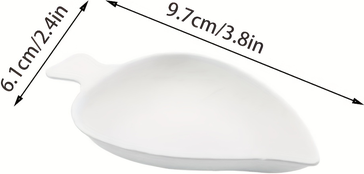
The Handy Homestead Leaf Disposable Appetizer Plates For Desserts Snacks And Party Serving 50pcMake every bite feel beautifully presented with these 50pcs disposable appetizer plates designed for effortless entertaining. This 50piece set features compact 9.7cm leafshaped plates, perfect for serving desserts, snacks, appetizers, sauces,...39,97 $*Shipping: 0,00 $Secure redirect to the provider
-
Inspired Living Retro Acacia Wood Round Serving Platter For Pizza, Desserts And Snacks 10cmBring natural warmth and effortless style to every meal with this wooden serving platter. Crafted from acacia wood with a smooth, round profile, it gives everyday snacks and special spreads a charming rustic presentation. This versatile round wooden...23,97 $*Shipping: 0,00 $Secure redirect to the provider
-
Shop Station Ultra Thin Bone Plate Irregular White Serving Plate For Desserts, Snacks & Sauces bBring effortless elegance to every serving with this bone china plate, designed to make even simple dishes look beautifully presented. Its ultrathin profile, clean white finish, and organic silhouette create a refined alternative to ordinary round...54,97 $*Shipping: 0,00 $Secure redirect to the provider
-
Inspired Living Nordic Oval Gold Stainless Steel Serving Tray For Snacks, Desserts & Vanity Storage gold MYou know that feeling when everything looks more put together with one simple detail This sleek oval tray instantly elevates snacks, desserts, and everyday essentials with a clean Nordic look and a warm gold finish. Use it as an oval snack plate for...23,97 $*Shipping: 0,00 $Secure redirect to the provider


-
How can one represent the relatedness of bears using family trees in biology and evolution?
In biology and evolution, family trees can be used to represent the relatedness of bears by showing the evolutionary relationships between different species and subspecies. By constructing a family tree, scientists can visually depict the common ancestry and divergence of different bear species over time. This can help in understanding the evolutionary history of bears and how they are related to each other. Family trees can also show the genetic relatedness between different bear populations, providing insights into their genetic diversity and conservation. **
-
What methods for determining relatedness exist in evolution and genetics for the biology high school graduation exam?
In evolution and genetics, relatedness can be determined through various methods such as DNA sequencing, phylogenetic analysis, and genetic markers. DNA sequencing involves comparing the genetic material of different organisms to identify similarities and differences, which can help determine their relatedness. Phylogenetic analysis uses the evolutionary relationships between different species to infer their relatedness based on shared ancestry. Genetic markers, such as specific DNA sequences or alleles, can also be used to assess relatedness by comparing the presence or absence of these markers in different individuals or populations. These methods are important for understanding the evolutionary history and genetic relationships between different organisms, and are essential for studying biodiversity and species conservation. **
-
What is the difference between the botanical and biological concept of relatedness in plants, if such a concept exists?
The botanical concept of relatedness in plants refers to their classification based on their physical characteristics, such as their flower structure, leaf arrangement, and other morphological features. This concept is used to group plants into families, genera, and species based on their shared traits. On the other hand, the biological concept of relatedness in plants focuses on their genetic relationships and evolutionary history. This concept is based on DNA analysis and phylogenetic studies to determine how closely related different plant species are and how they have evolved over time. While both concepts aim to understand the relatedness of plants, the botanical concept focuses on physical traits, while the biological concept focuses on genetic and evolutionary relationships. **
-
How is "Speisen" written?
"Speisen" is written in German. **


Are there typical American desserts?
Yes, there are several typical American desserts that are popular across the country. Some examples include apple pie, chocolate chip cookies, brownies, cheesecake, and cupcakes. These desserts are often enjoyed during holidays, special occasions, or as a sweet treat any time of the year. Each region of the United States may also have its own unique desserts that are popular locally. **
What are Swedish appetizers and desserts?
Swedish appetizers often include dishes such as pickled herring, gravlax (cured salmon), and meatballs served with lingonberry sauce. For desserts, popular Swedish options include princess cake (a layered sponge cake with pastry cream and marzipan), cinnamon buns, and semla (a sweet bun filled with almond paste and whipped cream). These dishes reflect the Swedish love for simple yet flavorful ingredients like fish, berries, and spices. **
Top-Angebote
Products related to Relatedness:
-
Shop Station Stackable Hamburger Ceramic Plate Set For Snacks, Desserts And Dips Stackable Hamburger Ceramic Plate Set For Snacks, Desserts And DipsTurn everyday serving into something guests will remember with this playful hamburger ceramic plate set. Designed to stack into an eyecatching burger shape, it brings personality to your table while keeping individual serving pieces conveniently...84,97 $*Shipping: 0,00 $Secure redirect to the provider
-
Value Selection 10 Oz Ceramic Cereal Bowls Set Of 6 For Snacks Desserts And Meal Prep 10 Oz Ceramic Cereal Bowls Set Of 6 For Snacks Desserts And Meal PrepBring simple style and everyday convenience to your table with these versatile ceramic cereal bowls. Designed with a compact 10 oz capacity, they are ideal for individual portions, snacks, desserts, sides, and meal prep. The smooth glazed finish and...139,97 $*Shipping: 0,00 $Secure redirect to the provider
-
The Handy Homestead Leaf Disposable Appetizer Plates For Desserts Snacks And Party Serving 50pcMake every bite feel beautifully presented with these 50pcs disposable appetizer plates designed for effortless entertaining. This 50piece set features compact 9.7cm leafshaped plates, perfect for serving desserts, snacks, appetizers, sauces,...39,97 $*Shipping: 0,00 $Secure redirect to the provider
-
Inspired Living Retro Acacia Wood Round Serving Platter For Pizza, Desserts And Snacks 10cmBring natural warmth and effortless style to every meal with this wooden serving platter. Crafted from acacia wood with a smooth, round profile, it gives everyday snacks and special spreads a charming rustic presentation. This versatile round wooden...23,97 $*Shipping: 0,00 $Secure redirect to the provider
-
What percentage of relatedness is there with relatives?
The percentage of relatedness with relatives depends on the specific relationship. For example, siblings share about 50% of their genetic material, while parents and children share about 50% as well. Grandparents and grandchildren share about 25% of their genetic material. The percentage decreases as the degree of relatedness decreases, such as with cousins who share about 12.5% of their genetic material. Overall, the percentage of relatedness varies depending on the specific familial relationship. **
-
What percentage of relatedness is there with the uncle?
The percentage of relatedness with an uncle is 25%. This is because an uncle shares 25% of their DNA with their niece or nephew. This is because the uncle and the niece or nephew share one set of grandparents, which accounts for 25% of their genetic material being the same. **
-
How can one represent the relatedness of bears using family trees in biology and evolution?
In biology and evolution, family trees can be used to represent the relatedness of bears by showing the evolutionary relationships between different species and subspecies. By constructing a family tree, scientists can visually depict the common ancestry and divergence of different bear species over time. This can help in understanding the evolutionary history of bears and how they are related to each other. Family trees can also show the genetic relatedness between different bear populations, providing insights into their genetic diversity and conservation. **
-
What methods for determining relatedness exist in evolution and genetics for the biology high school graduation exam?
In evolution and genetics, relatedness can be determined through various methods such as DNA sequencing, phylogenetic analysis, and genetic markers. DNA sequencing involves comparing the genetic material of different organisms to identify similarities and differences, which can help determine their relatedness. Phylogenetic analysis uses the evolutionary relationships between different species to infer their relatedness based on shared ancestry. Genetic markers, such as specific DNA sequences or alleles, can also be used to assess relatedness by comparing the presence or absence of these markers in different individuals or populations. These methods are important for understanding the evolutionary history and genetic relationships between different organisms, and are essential for studying biodiversity and species conservation. **
Similar search terms for Relatedness
-
Shop Station Ultra Thin Bone Plate Irregular White Serving Plate For Desserts, Snacks & Sauces bBring effortless elegance to every serving with this bone china plate, designed to make even simple dishes look beautifully presented. Its ultrathin profile, clean white finish, and organic silhouette create a refined alternative to ordinary round...54,97 $*Shipping: 0,00 $Secure redirect to the provider
-
Inspired Living Nordic Oval Gold Stainless Steel Serving Tray For Snacks, Desserts & Vanity Storage gold MYou know that feeling when everything looks more put together with one simple detail This sleek oval tray instantly elevates snacks, desserts, and everyday essentials with a clean Nordic look and a warm gold finish. Use it as an oval snack plate for...23,97 $*Shipping: 0,00 $Secure redirect to the provider
-
Inspired Living Retro Acacia Wood Round Serving Platter For Pizza, Desserts And Snacks 15cmBring natural warmth and effortless style to every meal with this wooden serving platter. Crafted from acacia wood with a smooth, round profile, it gives everyday snacks and special spreads a charming rustic presentation. This versatile round wooden...26,97 $*Shipping: 0,00 $Secure redirect to the provider
-
Inspired Living Retro Acacia Wood Round Serving Platter For Pizza, Desserts And Snacks 25cmBring natural warmth and effortless style to every meal with this wooden serving platter. Crafted from acacia wood with a smooth, round profile, it gives everyday snacks and special spreads a charming rustic presentation. This versatile round wooden...47,97 $*Shipping: 0,00 $Secure redirect to the provider
-
What is the difference between the botanical and biological concept of relatedness in plants, if such a concept exists?
The botanical concept of relatedness in plants refers to their classification based on their physical characteristics, such as their flower structure, leaf arrangement, and other morphological features. This concept is used to group plants into families, genera, and species based on their shared traits. On the other hand, the biological concept of relatedness in plants focuses on their genetic relationships and evolutionary history. This concept is based on DNA analysis and phylogenetic studies to determine how closely related different plant species are and how they have evolved over time. While both concepts aim to understand the relatedness of plants, the botanical concept focuses on physical traits, while the biological concept focuses on genetic and evolutionary relationships. **
-
How is "Speisen" written?
"Speisen" is written in German. **
-
Are there typical American desserts?
Yes, there are several typical American desserts that are popular across the country. Some examples include apple pie, chocolate chip cookies, brownies, cheesecake, and cupcakes. These desserts are often enjoyed during holidays, special occasions, or as a sweet treat any time of the year. Each region of the United States may also have its own unique desserts that are popular locally. **
-
What are Swedish appetizers and desserts?
Swedish appetizers often include dishes such as pickled herring, gravlax (cured salmon), and meatballs served with lingonberry sauce. For desserts, popular Swedish options include princess cake (a layered sponge cake with pastry cream and marzipan), cinnamon buns, and semla (a sweet bun filled with almond paste and whipped cream). These dishes reflect the Swedish love for simple yet flavorful ingredients like fish, berries, and spices. **
* All prices are inclusive of VAT and, if applicable, plus shipping costs. The offer information is based on the details provided by the respective shop and is updated through automated processes. Real-time updates do not occur, so deviations can occur in individual cases. ** Note: Parts of this content were created by AI.