Buy menü.eu ?
We are moving the project
menü.eu .
Are you interested in purchasing the domain
menü.eu ?
domain@kv-gmbh.de · 0541-91531010
Buy menü.eu ?
How is a covalent bond formed when nonmetal atoms meet nonmetal atoms?
When nonmetal atoms meet nonmetal atoms, they can form covalent bonds by sharing electrons. Each nonmetal atom contributes one or more electrons to the bond, creating a shared electron pair between the two atoms. This sharing of electrons allows both atoms to achieve a more stable electron configuration, typically by filling their outermost energy levels. The strength of the covalent bond depends on the number of shared electrons and the distance between the nuclei of the bonded atoms. **
How does a nonmetal react with oxygen?
Nonmetals typically react with oxygen to form oxides. This reaction can be highly exothermic, meaning it releases a significant amount of heat. For example, when sulfur reacts with oxygen, it forms sulfur dioxide. Nonmetals generally have a high affinity for oxygen, and the resulting oxides can have a variety of properties, such as being acidic or basic. Overall, the reaction of nonmetals with oxygen is an important aspect of chemical reactivity and plays a role in various natural and industrial processes. **


Similar search terms for Nonmetal
Top-Angebote
Products related to Nonmetal:
-
Inspired Living Retro Acacia Wood Round Serving Platter For Pizza, Desserts And Snacks 25cmBring natural warmth and effortless style to every meal with this wooden serving platter. Crafted from acacia wood with a smooth, round profile, it gives everyday snacks and special spreads a charming rustic presentation. This versatile round wooden...47,97 $*Shipping: 0,00 $Secure redirect to the provider
-
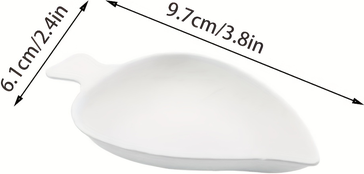
The Handy Homestead Leaf Disposable Appetizer Plates For Desserts Snacks And Party Serving 50pcMake every bite feel beautifully presented with these 50pcs disposable appetizer plates designed for effortless entertaining. This 50piece set features compact 9.7cm leafshaped plates, perfect for serving desserts, snacks, appetizers, sauces,...39,97 $*Shipping: 0,00 $Secure redirect to the provider
-
Shop Station Ultra Thin Bone Plate Irregular White Serving Plate For Desserts, Snacks & Sauces aBring effortless elegance to every serving with this bone china plate, designed to make even simple dishes look beautifully presented. Its ultrathin profile, clean white finish, and organic silhouette create a refined alternative to ordinary round...54,97 $*Shipping: 0,00 $Secure redirect to the provider
-
Inspired Living Nordic Oval Gold Stainless Steel Serving Tray For Snacks, Desserts & Vanity Storage gold SYou know that feeling when everything looks more put together with one simple detail This sleek oval tray instantly elevates snacks, desserts, and everyday essentials with a clean Nordic look and a warm gold finish. Use it as an oval snack plate for...23,97 $*Shipping: 0,00 $Secure redirect to the provider



-
How do you write formulas for nonmetal oxides?
To write formulas for nonmetal oxides, you need to first identify the nonmetal element present in the oxide. Then, determine the oxidation number of the nonmetal element. Finally, write the formula by balancing the charges of the nonmetal element and oxygen. For example, the formula for carbon dioxide (CO2) is written by balancing the +4 oxidation number of carbon with the -2 oxidation number of oxygen. **
-
How can one recognize if an element is a nonmetal?
Nonmetals can be recognized by several characteristics. They are typically located on the right side of the periodic table, are poor conductors of heat and electricity, and have dull or non-shiny appearances. Nonmetals also tend to have lower melting and boiling points compared to metals. Additionally, they often form negative ions when they react with metals. **
-
What are the differences between metal oxides and nonmetal oxides?
Metal oxides are compounds formed between a metal and oxygen, while nonmetal oxides are compounds formed between a nonmetal and oxygen. Metal oxides tend to be basic in nature, meaning they react with acids to form salts and water. Nonmetal oxides, on the other hand, tend to be acidic in nature, meaning they react with bases to form salts and water. Additionally, metal oxides typically have higher melting and boiling points compared to nonmetal oxides. **
-
What are the properties of metal oxides and nonmetal oxides?
Metal oxides are typically basic in nature, meaning they react with acids to form salts and water. They are also typically solid at room temperature and have high melting and boiling points. Nonmetal oxides, on the other hand, are usually acidic in nature, meaning they react with bases to form salts and water. They are often gases or liquids at room temperature and have lower melting and boiling points compared to metal oxides. Both types of oxides play important roles in various chemical reactions and industrial processes. **


Ionic bonding always occurs between a metal and a nonmetal.
Ionic bonding always occurs between a metal and a nonmetal because of the large difference in electronegativity between the two types of elements. Metals have low electronegativity and tend to lose electrons, while nonmetals have high electronen **
What is an electron transfer reaction between a metal and a nonmetal?
An electron transfer reaction between a metal and a nonmetal occurs when the metal atom loses one or more electrons to the nonmetal atom. This transfer of electrons results in the formation of ions, with the metal forming a positively charged ion (cation) and the nonmetal forming a negatively charged ion (anion). This type of reaction is characteristic of ionic bonding, where the attraction between the oppositely charged ions leads to the formation of an ionic compound. Examples of such reactions include the formation of sodium chloride (NaCl) when sodium (a metal) reacts with chlorine (a nonmetal). **
Top-Angebote
Products related to Nonmetal:
-
Shop Station Stackable Hamburger Ceramic Plate Set For Snacks, Desserts And Dips Stackable Hamburger Ceramic Plate Set For Snacks, Desserts And DipsTurn everyday serving into something guests will remember with this playful hamburger ceramic plate set. Designed to stack into an eyecatching burger shape, it brings personality to your table while keeping individual serving pieces conveniently...84,97 $*Shipping: 0,00 $Secure redirect to the provider
-
Value Selection 10 Oz Ceramic Cereal Bowls Set Of 6 For Snacks Desserts And Meal Prep 10 Oz Ceramic Cereal Bowls Set Of 6 For Snacks Desserts And Meal PrepBring simple style and everyday convenience to your table with these versatile ceramic cereal bowls. Designed with a compact 10 oz capacity, they are ideal for individual portions, snacks, desserts, sides, and meal prep. The smooth glazed finish and...139,97 $*Shipping: 0,00 $Secure redirect to the provider
-
Inspired Living Retro Acacia Wood Round Serving Platter For Pizza, Desserts And Snacks 25cmBring natural warmth and effortless style to every meal with this wooden serving platter. Crafted from acacia wood with a smooth, round profile, it gives everyday snacks and special spreads a charming rustic presentation. This versatile round wooden...47,97 $*Shipping: 0,00 $Secure redirect to the provider
-
The Handy Homestead Leaf Disposable Appetizer Plates For Desserts Snacks And Party Serving 50pcMake every bite feel beautifully presented with these 50pcs disposable appetizer plates designed for effortless entertaining. This 50piece set features compact 9.7cm leafshaped plates, perfect for serving desserts, snacks, appetizers, sauces,...39,97 $*Shipping: 0,00 $Secure redirect to the provider
-
How is a covalent bond formed when nonmetal atoms meet nonmetal atoms?
When nonmetal atoms meet nonmetal atoms, they can form covalent bonds by sharing electrons. Each nonmetal atom contributes one or more electrons to the bond, creating a shared electron pair between the two atoms. This sharing of electrons allows both atoms to achieve a more stable electron configuration, typically by filling their outermost energy levels. The strength of the covalent bond depends on the number of shared electrons and the distance between the nuclei of the bonded atoms. **
-
How does a nonmetal react with oxygen?
Nonmetals typically react with oxygen to form oxides. This reaction can be highly exothermic, meaning it releases a significant amount of heat. For example, when sulfur reacts with oxygen, it forms sulfur dioxide. Nonmetals generally have a high affinity for oxygen, and the resulting oxides can have a variety of properties, such as being acidic or basic. Overall, the reaction of nonmetals with oxygen is an important aspect of chemical reactivity and plays a role in various natural and industrial processes. **
-
How do you write formulas for nonmetal oxides?
To write formulas for nonmetal oxides, you need to first identify the nonmetal element present in the oxide. Then, determine the oxidation number of the nonmetal element. Finally, write the formula by balancing the charges of the nonmetal element and oxygen. For example, the formula for carbon dioxide (CO2) is written by balancing the +4 oxidation number of carbon with the -2 oxidation number of oxygen. **
-
How can one recognize if an element is a nonmetal?
Nonmetals can be recognized by several characteristics. They are typically located on the right side of the periodic table, are poor conductors of heat and electricity, and have dull or non-shiny appearances. Nonmetals also tend to have lower melting and boiling points compared to metals. Additionally, they often form negative ions when they react with metals. **
Similar search terms for Nonmetal
-
Shop Station Ultra Thin Bone Plate Irregular White Serving Plate For Desserts, Snacks & Sauces aBring effortless elegance to every serving with this bone china plate, designed to make even simple dishes look beautifully presented. Its ultrathin profile, clean white finish, and organic silhouette create a refined alternative to ordinary round...54,97 $*Shipping: 0,00 $Secure redirect to the provider
-
Inspired Living Nordic Oval Gold Stainless Steel Serving Tray For Snacks, Desserts & Vanity Storage gold SYou know that feeling when everything looks more put together with one simple detail This sleek oval tray instantly elevates snacks, desserts, and everyday essentials with a clean Nordic look and a warm gold finish. Use it as an oval snack plate for...23,97 $*Shipping: 0,00 $Secure redirect to the provider
-
Inspired Living Retro Acacia Wood Round Serving Platter For Pizza, Desserts And Snacks 10cmBring natural warmth and effortless style to every meal with this wooden serving platter. Crafted from acacia wood with a smooth, round profile, it gives everyday snacks and special spreads a charming rustic presentation. This versatile round wooden...23,97 $*Shipping: 0,00 $Secure redirect to the provider
-
Inspired Living Retro Acacia Wood Round Serving Platter For Pizza, Desserts And Snacks 15cmBring natural warmth and effortless style to every meal with this wooden serving platter. Crafted from acacia wood with a smooth, round profile, it gives everyday snacks and special spreads a charming rustic presentation. This versatile round wooden...26,97 $*Shipping: 0,00 $Secure redirect to the provider
-
What are the differences between metal oxides and nonmetal oxides?
Metal oxides are compounds formed between a metal and oxygen, while nonmetal oxides are compounds formed between a nonmetal and oxygen. Metal oxides tend to be basic in nature, meaning they react with acids to form salts and water. Nonmetal oxides, on the other hand, tend to be acidic in nature, meaning they react with bases to form salts and water. Additionally, metal oxides typically have higher melting and boiling points compared to nonmetal oxides. **
-
What are the properties of metal oxides and nonmetal oxides?
Metal oxides are typically basic in nature, meaning they react with acids to form salts and water. They are also typically solid at room temperature and have high melting and boiling points. Nonmetal oxides, on the other hand, are usually acidic in nature, meaning they react with bases to form salts and water. They are often gases or liquids at room temperature and have lower melting and boiling points compared to metal oxides. Both types of oxides play important roles in various chemical reactions and industrial processes. **
-
Ionic bonding always occurs between a metal and a nonmetal.
Ionic bonding always occurs between a metal and a nonmetal because of the large difference in electronegativity between the two types of elements. Metals have low electronegativity and tend to lose electrons, while nonmetals have high electronen **
-
What is an electron transfer reaction between a metal and a nonmetal?
An electron transfer reaction between a metal and a nonmetal occurs when the metal atom loses one or more electrons to the nonmetal atom. This transfer of electrons results in the formation of ions, with the metal forming a positively charged ion (cation) and the nonmetal forming a negatively charged ion (anion). This type of reaction is characteristic of ionic bonding, where the attraction between the oppositely charged ions leads to the formation of an ionic compound. Examples of such reactions include the formation of sodium chloride (NaCl) when sodium (a metal) reacts with chlorine (a nonmetal). **
* All prices are inclusive of VAT and, if applicable, plus shipping costs. The offer information is based on the details provided by the respective shop and is updated through automated processes. Real-time updates do not occur, so deviations can occur in individual cases. ** Note: Parts of this content were created by AI.