Buy menü.eu ?
We are moving the project
menü.eu .
Are you interested in purchasing the domain
menü.eu ?
domain@kv-gmbh.de · 0541-91531010
Buy menü.eu ?
What does the Indian caste system or caste system look like today?
Today, the Indian caste system still exists in many parts of the country, although it is officially outlawed. The system is based on the idea of social hierarchy and divides people into different groups based on their birth and occupation. Discrimination and inequality still persist, with lower caste individuals facing social and economic disadvantages. Despite efforts to eradicate the caste system, it continues to influence social interactions, marriage, and access to resources in Indian society. **
What is the caste system in India and how are individuals classified into a caste?
The caste system in India is a social hierarchy that categorizes individuals into different groups based on their birth, occupation, and social status. There are four main castes - Brahmins (priests and scholars), Kshatriyas (warriors and rulers), Vaishyas (merchants and farmers), and Shudras (laborers). Below these castes are the Dalits, formerly known as "untouchables," who have historically been marginalized and faced discrimination. Individuals are typically classified into a caste based on their family background and hereditary occupation, with very limited mobility between castes. **


Similar search terms for Caste
Top-Angebote
Products related to Caste:
-
Value Selection 10 Oz Ceramic Cereal Bowls Set Of 6 For Snacks Desserts And Meal Prep 10 Oz Ceramic Cereal Bowls Set Of 6 For Snacks Desserts And Meal PrepBring simple style and everyday convenience to your table with these versatile ceramic cereal bowls. Designed with a compact 10 oz capacity, they are ideal for individual portions, snacks, desserts, sides, and meal prep. The smooth glazed finish and...139,97 $*Shipping: 0,00 $Secure redirect to the provider
-
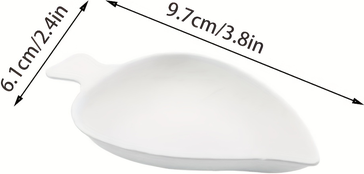
The Handy Homestead Leaf Disposable Appetizer Plates For Desserts Snacks And Party Serving 50pcMake every bite feel beautifully presented with these 50pcs disposable appetizer plates designed for effortless entertaining. This 50piece set features compact 9.7cm leafshaped plates, perfect for serving desserts, snacks, appetizers, sauces,...39,97 $*Shipping: 0,00 $Secure redirect to the provider
-
Inspired Living Retro Acacia Wood Round Serving Platter For Pizza, Desserts And Snacks 10cmBring natural warmth and effortless style to every meal with this wooden serving platter. Crafted from acacia wood with a smooth, round profile, it gives everyday snacks and special spreads a charming rustic presentation. This versatile round wooden...23,97 $*Shipping: 0,00 $Secure redirect to the provider
-
Shop Station Ultra Thin Bone Plate Irregular White Serving Plate For Desserts, Snacks & Sauces bBring effortless elegance to every serving with this bone china plate, designed to make even simple dishes look beautifully presented. Its ultrathin profile, clean white finish, and organic silhouette create a refined alternative to ordinary round...54,97 $*Shipping: 0,00 $Secure redirect to the provider



-
What is the caste system in India and how are people classified into a caste?
The caste system in India is a social hierarchy that categorizes people into different groups based on their birth, occupation, and social status. There are four main castes: Brahmins (priests and scholars), Kshatriyas (warriors and rulers), Vaishyas (merchants and traders), and Shudras (laborers and service providers). Below these castes are the Dalits, who were historically considered untouchable and were often relegated to the most menial and degrading jobs. People are classified into a caste based on their family background and the occupation of their ancestors, and it is very difficult to change one's caste. This system has been a source of discrimination and inequality in Indian society for centuries. **
-
Why was the caste system abolished?
The caste system was abolished in India because it was seen as discriminatory and oppressive, perpetuating social inequality and injustice. The system restricted social mobility and opportunities for individuals based on their birth, leading to widespread discrimination and exploitation of lower caste members. The Indian government recognized the need to promote equality and social justice, leading to the abolition of the caste system through legislation and affirmative action policies. This allowed for greater opportunities for individuals from lower castes to access education, employment, and political representation. **
-
What is the caste system in Germany?
There is no formal caste system in Germany. However, there are social hierarchies and inequalities based on factors such as wealth, education, and occupation. Discrimination and prejudice based on ethnicity, nationality, or religion can also contribute to social stratification in German society. Overall, Germany has made efforts to promote equality and combat discrimination through laws and policies. **
-
What is the caste system in Pakistan?
The caste system in Pakistan is a social hierarchy that divides people into different groups based on their ancestry and occupation. It is a system of social stratification that determines one's social status and opportunities in life. The caste system in Pakistan is deeply ingrained in society and influences various aspects of people's lives, including marriage, education, and employment opportunities. Despite efforts to eradicate caste-based discrimination, it continues to exist in many parts of the country. **


What is the problem with the caste system?
The caste system is a social hierarchy that categorizes individuals based on their birth, leading to discrimination and inequality. It restricts social mobility and opportunities for those in lower castes, perpetuating a cycle of poverty and marginalization. The system also reinforces stereotypes and prejudices, creating divisions and tensions within society. Overall, the caste system is a barrier to achieving true equality and social justice. **
Why does the caste system still exist today?
The caste system still exists today primarily due to social, cultural, and historical factors deeply ingrained in Indian society. It has been perpetuated through generations as a way to maintain social order and hierarchy. Additionally, economic disparities and lack of access to education and opportunities have also contributed to the persistence of the caste system. Despite efforts to eradicate it, the caste system continues to influence social interactions and relationships in many parts of India. **
Top-Angebote
Products related to Caste:
-
Shop Station Stackable Hamburger Ceramic Plate Set For Snacks, Desserts And Dips Stackable Hamburger Ceramic Plate Set For Snacks, Desserts And DipsTurn everyday serving into something guests will remember with this playful hamburger ceramic plate set. Designed to stack into an eyecatching burger shape, it brings personality to your table while keeping individual serving pieces conveniently...84,97 $*Shipping: 0,00 $Secure redirect to the provider
-
Profile Books Chums: How a Tiny Caste of Oxford Tories Took Over the UK by Simon Kuper - Paperback - Sunday Times Bestseller Political Non FictionChums is Simon Kuper's acclaimed investigation into how a small, privileged circle of Oxford University contemporaries came to dominate British politics. A Sunday Times bestseller and Times Best Book of the Year, it traces the friendships, rivalries, and shared worldview forged in Oxford's debating halls through to Westminster. Sharp, witty, and meticulously researched, this paperback edition includes a new chapter examining the end of the "chumocracy" era and the rising Oxford elite set to shape Britain by 2050. In Chums, journalist and author Simon Kuper turns his attention to one of the most consequential stories in modern British politics: the extraordinary dominance of Oxford University alumni at the very top of government, including figures such as Boris Johnson, Michael Gove, David Cameron, George Osborne, Theresa May, Dominic Cummings, Daniel Hannan, and Jacob Rees-Mogg.8,08 £*Shipping: 2,99 £Secure redirect to the provider
-
Value Selection 10 Oz Ceramic Cereal Bowls Set Of 6 For Snacks Desserts And Meal Prep 10 Oz Ceramic Cereal Bowls Set Of 6 For Snacks Desserts And Meal PrepBring simple style and everyday convenience to your table with these versatile ceramic cereal bowls. Designed with a compact 10 oz capacity, they are ideal for individual portions, snacks, desserts, sides, and meal prep. The smooth glazed finish and...139,97 $*Shipping: 0,00 $Secure redirect to the provider
-
The Handy Homestead Leaf Disposable Appetizer Plates For Desserts Snacks And Party Serving 50pcMake every bite feel beautifully presented with these 50pcs disposable appetizer plates designed for effortless entertaining. This 50piece set features compact 9.7cm leafshaped plates, perfect for serving desserts, snacks, appetizers, sauces,...39,97 $*Shipping: 0,00 $Secure redirect to the provider
-
What does the Indian caste system or caste system look like today?
Today, the Indian caste system still exists in many parts of the country, although it is officially outlawed. The system is based on the idea of social hierarchy and divides people into different groups based on their birth and occupation. Discrimination and inequality still persist, with lower caste individuals facing social and economic disadvantages. Despite efforts to eradicate the caste system, it continues to influence social interactions, marriage, and access to resources in Indian society. **
-
What is the caste system in India and how are individuals classified into a caste?
The caste system in India is a social hierarchy that categorizes individuals into different groups based on their birth, occupation, and social status. There are four main castes - Brahmins (priests and scholars), Kshatriyas (warriors and rulers), Vaishyas (merchants and farmers), and Shudras (laborers). Below these castes are the Dalits, formerly known as "untouchables," who have historically been marginalized and faced discrimination. Individuals are typically classified into a caste based on their family background and hereditary occupation, with very limited mobility between castes. **
-
What is the caste system in India and how are people classified into a caste?
The caste system in India is a social hierarchy that categorizes people into different groups based on their birth, occupation, and social status. There are four main castes: Brahmins (priests and scholars), Kshatriyas (warriors and rulers), Vaishyas (merchants and traders), and Shudras (laborers and service providers). Below these castes are the Dalits, who were historically considered untouchable and were often relegated to the most menial and degrading jobs. People are classified into a caste based on their family background and the occupation of their ancestors, and it is very difficult to change one's caste. This system has been a source of discrimination and inequality in Indian society for centuries. **
-
Why was the caste system abolished?
The caste system was abolished in India because it was seen as discriminatory and oppressive, perpetuating social inequality and injustice. The system restricted social mobility and opportunities for individuals based on their birth, leading to widespread discrimination and exploitation of lower caste members. The Indian government recognized the need to promote equality and social justice, leading to the abolition of the caste system through legislation and affirmative action policies. This allowed for greater opportunities for individuals from lower castes to access education, employment, and political representation. **
Similar search terms for Caste
-
Inspired Living Retro Acacia Wood Round Serving Platter For Pizza, Desserts And Snacks 10cmBring natural warmth and effortless style to every meal with this wooden serving platter. Crafted from acacia wood with a smooth, round profile, it gives everyday snacks and special spreads a charming rustic presentation. This versatile round wooden...23,97 $*Shipping: 0,00 $Secure redirect to the provider
-
Shop Station Ultra Thin Bone Plate Irregular White Serving Plate For Desserts, Snacks & Sauces bBring effortless elegance to every serving with this bone china plate, designed to make even simple dishes look beautifully presented. Its ultrathin profile, clean white finish, and organic silhouette create a refined alternative to ordinary round...54,97 $*Shipping: 0,00 $Secure redirect to the provider
-
Inspired Living Retro Acacia Wood Round Serving Platter For Pizza, Desserts And Snacks 15cmBring natural warmth and effortless style to every meal with this wooden serving platter. Crafted from acacia wood with a smooth, round profile, it gives everyday snacks and special spreads a charming rustic presentation. This versatile round wooden...26,97 $*Shipping: 0,00 $Secure redirect to the provider
-
Inspired Living Retro Acacia Wood Round Serving Platter For Pizza, Desserts And Snacks 25cmBring natural warmth and effortless style to every meal with this wooden serving platter. Crafted from acacia wood with a smooth, round profile, it gives everyday snacks and special spreads a charming rustic presentation. This versatile round wooden...47,97 $*Shipping: 0,00 $Secure redirect to the provider
-
What is the caste system in Germany?
There is no formal caste system in Germany. However, there are social hierarchies and inequalities based on factors such as wealth, education, and occupation. Discrimination and prejudice based on ethnicity, nationality, or religion can also contribute to social stratification in German society. Overall, Germany has made efforts to promote equality and combat discrimination through laws and policies. **
-
What is the caste system in Pakistan?
The caste system in Pakistan is a social hierarchy that divides people into different groups based on their ancestry and occupation. It is a system of social stratification that determines one's social status and opportunities in life. The caste system in Pakistan is deeply ingrained in society and influences various aspects of people's lives, including marriage, education, and employment opportunities. Despite efforts to eradicate caste-based discrimination, it continues to exist in many parts of the country. **
-
What is the problem with the caste system?
The caste system is a social hierarchy that categorizes individuals based on their birth, leading to discrimination and inequality. It restricts social mobility and opportunities for those in lower castes, perpetuating a cycle of poverty and marginalization. The system also reinforces stereotypes and prejudices, creating divisions and tensions within society. Overall, the caste system is a barrier to achieving true equality and social justice. **
-
Why does the caste system still exist today?
The caste system still exists today primarily due to social, cultural, and historical factors deeply ingrained in Indian society. It has been perpetuated through generations as a way to maintain social order and hierarchy. Additionally, economic disparities and lack of access to education and opportunities have also contributed to the persistence of the caste system. Despite efforts to eradicate it, the caste system continues to influence social interactions and relationships in many parts of India. **
* All prices are inclusive of VAT and, if applicable, plus shipping costs. The offer information is based on the details provided by the respective shop and is updated through automated processes. Real-time updates do not occur, so deviations can occur in individual cases. ** Note: Parts of this content were created by AI.