Buy menü.eu ?
We are moving the project
menü.eu .
Are you interested in purchasing the domain
menü.eu ?
domain@kv-gmbh.de · 0541-91531010
Buy menü.eu ?
Are antigens pathogens?
Antigens are molecules that can trigger an immune response in the body. While some antigens may come from pathogens such as bacteria, viruses, or other harmful substances, not all antigens are pathogens. Antigens can also come from harmless substances like pollen, dust, or certain foods. **
What are antigens?
Antigens are molecules or substances that are recognized by the immune system as foreign and can elicit an immune response. They can be found on the surface of pathogens such as bacteria, viruses, and parasites, as well as on the surface of transplanted tissues or cells. Antigens are also present on the surface of cancer cells. When the immune system detects antigens, it produces specific antibodies or activates immune cells to target and eliminate the foreign substances. **


Similar search terms for Antigens
Top-Angebote
Products related to Antigens:
-
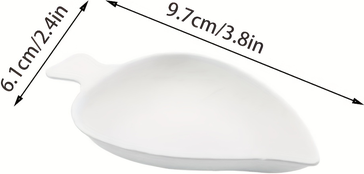
The Handy Homestead Leaf Disposable Appetizer Plates For Desserts Snacks And Party Serving 50pcMake every bite feel beautifully presented with these 50pcs disposable appetizer plates designed for effortless entertaining. This 50piece set features compact 9.7cm leafshaped plates, perfect for serving desserts, snacks, appetizers, sauces,...39,97 $*Shipping: 0,00 $Secure redirect to the provider
-
Inspired Living Retro Acacia Wood Round Serving Platter For Pizza, Desserts And Snacks 15cmBring natural warmth and effortless style to every meal with this wooden serving platter. Crafted from acacia wood with a smooth, round profile, it gives everyday snacks and special spreads a charming rustic presentation. This versatile round wooden...26,97 $*Shipping: 0,00 $Secure redirect to the provider
-
Shop Station Ultra Thin Bone Plate Irregular White Serving Plate For Desserts, Snacks & Sauces bBring effortless elegance to every serving with this bone china plate, designed to make even simple dishes look beautifully presented. Its ultrathin profile, clean white finish, and organic silhouette create a refined alternative to ordinary round...54,97 $*Shipping: 0,00 $Secure redirect to the provider
-
Inspired Living Nordic Oval Gold Stainless Steel Serving Tray For Snacks, Desserts & Vanity Storage gold MYou know that feeling when everything looks more put together with one simple detail This sleek oval tray instantly elevates snacks, desserts, and everyday essentials with a clean Nordic look and a warm gold finish. Use it as an oval snack plate for...23,97 $*Shipping: 0,00 $Secure redirect to the provider


-
Which cells produce antigens?
Antigens are produced by a variety of cells in the body, including B cells, T cells, macrophages, dendritic cells, and other antigen-presenting cells. These cells play a crucial role in the immune response by presenting antigens to the immune system and activating immune responses against foreign invaders. **
-
What exactly are antigens?
Antigens are molecules that can trigger an immune response in the body. They are usually proteins or polysaccharides found on the surface of pathogens such as bacteria, viruses, or other foreign substances. When the immune system detects antigens, it produces antibodies to neutralize or eliminate the threat. Antigens can also be found on the surface of normal body cells, and in this case, the immune system must distinguish between self and non-self antigens to avoid attacking healthy tissues. **
-
How do antigens enter the body?
Antigens can enter the body through various routes such as inhalation, ingestion, injection, or direct contact with the skin. When inhaled, antigens can enter through the respiratory system, while ingested antigens can enter through the digestive system. Injection of antigens can occur through a puncture wound or through medical procedures like vaccinations. Direct contact with the skin allows antigens to enter through cuts, scrapes, or mucous membranes. **
-
Are antigens and pathogens the same thing?
No, antigens and pathogens are not the same thing. Antigens are molecules that trigger an immune response in the body, while pathogens are microorganisms that can cause disease. Pathogens can contain antigens that the immune system recognizes and responds to in order to fight off the infection. In summary, antigens are a broader category that includes pathogens as one type of antigen. **


What is the difference between antigens and antibodies?
Antigens are molecules that can trigger an immune response in the body, such as viruses, bacteria, and other foreign substances. They are recognized by the immune system as being foreign and can stimulate the production of antibodies. Antibodies, on the other hand, are proteins produced by the immune system in response to the presence of antigens. They specifically bind to antigens and help to neutralize or eliminate them from the body. In summary, antigens are the foreign substances that trigger the immune response, while antibodies are the proteins produced by the immune system to target and neutralize antigens. **
Can Giardia be diagnosed through a blood test for antibodies and antigens?
Giardia cannot be diagnosed through a blood test for antibodies and antigens. The most common method for diagnosing Giardia is through a stool sample, where the parasite can be detected microscopically or through a specialized test called an antigen test. Blood tests for antibodies and antigens are not reliable for diagnosing Giardia, as they may not accurately reflect the presence of the parasite in the intestines. Therefore, stool samples are the preferred method for diagnosing Giardia. **
Top-Angebote
Products related to Antigens:
-
Shop Station Stackable Hamburger Ceramic Plate Set For Snacks, Desserts And Dips Stackable Hamburger Ceramic Plate Set For Snacks, Desserts And DipsTurn everyday serving into something guests will remember with this playful hamburger ceramic plate set. Designed to stack into an eyecatching burger shape, it brings personality to your table while keeping individual serving pieces conveniently...84,97 $*Shipping: 0,00 $Secure redirect to the provider
-
Value Selection 10 Oz Ceramic Cereal Bowls Set Of 6 For Snacks Desserts And Meal Prep 10 Oz Ceramic Cereal Bowls Set Of 6 For Snacks Desserts And Meal PrepBring simple style and everyday convenience to your table with these versatile ceramic cereal bowls. Designed with a compact 10 oz capacity, they are ideal for individual portions, snacks, desserts, sides, and meal prep. The smooth glazed finish and...139,97 $*Shipping: 0,00 $Secure redirect to the provider
-
The Handy Homestead Leaf Disposable Appetizer Plates For Desserts Snacks And Party Serving 50pcMake every bite feel beautifully presented with these 50pcs disposable appetizer plates designed for effortless entertaining. This 50piece set features compact 9.7cm leafshaped plates, perfect for serving desserts, snacks, appetizers, sauces,...39,97 $*Shipping: 0,00 $Secure redirect to the provider
-
Inspired Living Retro Acacia Wood Round Serving Platter For Pizza, Desserts And Snacks 15cmBring natural warmth and effortless style to every meal with this wooden serving platter. Crafted from acacia wood with a smooth, round profile, it gives everyday snacks and special spreads a charming rustic presentation. This versatile round wooden...26,97 $*Shipping: 0,00 $Secure redirect to the provider
-
Are antigens pathogens?
Antigens are molecules that can trigger an immune response in the body. While some antigens may come from pathogens such as bacteria, viruses, or other harmful substances, not all antigens are pathogens. Antigens can also come from harmless substances like pollen, dust, or certain foods. **
-
What are antigens?
Antigens are molecules or substances that are recognized by the immune system as foreign and can elicit an immune response. They can be found on the surface of pathogens such as bacteria, viruses, and parasites, as well as on the surface of transplanted tissues or cells. Antigens are also present on the surface of cancer cells. When the immune system detects antigens, it produces specific antibodies or activates immune cells to target and eliminate the foreign substances. **
-
Which cells produce antigens?
Antigens are produced by a variety of cells in the body, including B cells, T cells, macrophages, dendritic cells, and other antigen-presenting cells. These cells play a crucial role in the immune response by presenting antigens to the immune system and activating immune responses against foreign invaders. **
-
What exactly are antigens?
Antigens are molecules that can trigger an immune response in the body. They are usually proteins or polysaccharides found on the surface of pathogens such as bacteria, viruses, or other foreign substances. When the immune system detects antigens, it produces antibodies to neutralize or eliminate the threat. Antigens can also be found on the surface of normal body cells, and in this case, the immune system must distinguish between self and non-self antigens to avoid attacking healthy tissues. **
Similar search terms for Antigens
-
Shop Station Ultra Thin Bone Plate Irregular White Serving Plate For Desserts, Snacks & Sauces bBring effortless elegance to every serving with this bone china plate, designed to make even simple dishes look beautifully presented. Its ultrathin profile, clean white finish, and organic silhouette create a refined alternative to ordinary round...54,97 $*Shipping: 0,00 $Secure redirect to the provider
-
Inspired Living Nordic Oval Gold Stainless Steel Serving Tray For Snacks, Desserts & Vanity Storage gold MYou know that feeling when everything looks more put together with one simple detail This sleek oval tray instantly elevates snacks, desserts, and everyday essentials with a clean Nordic look and a warm gold finish. Use it as an oval snack plate for...23,97 $*Shipping: 0,00 $Secure redirect to the provider
-
Inspired Living Retro Acacia Wood Round Serving Platter For Pizza, Desserts And Snacks 25cmBring natural warmth and effortless style to every meal with this wooden serving platter. Crafted from acacia wood with a smooth, round profile, it gives everyday snacks and special spreads a charming rustic presentation. This versatile round wooden...47,97 $*Shipping: 0,00 $Secure redirect to the provider
-
Inspired Living Retro Acacia Wood Round Serving Platter For Pizza, Desserts And Snacks 10cmBring natural warmth and effortless style to every meal with this wooden serving platter. Crafted from acacia wood with a smooth, round profile, it gives everyday snacks and special spreads a charming rustic presentation. This versatile round wooden...23,97 $*Shipping: 0,00 $Secure redirect to the provider
-
How do antigens enter the body?
Antigens can enter the body through various routes such as inhalation, ingestion, injection, or direct contact with the skin. When inhaled, antigens can enter through the respiratory system, while ingested antigens can enter through the digestive system. Injection of antigens can occur through a puncture wound or through medical procedures like vaccinations. Direct contact with the skin allows antigens to enter through cuts, scrapes, or mucous membranes. **
-
Are antigens and pathogens the same thing?
No, antigens and pathogens are not the same thing. Antigens are molecules that trigger an immune response in the body, while pathogens are microorganisms that can cause disease. Pathogens can contain antigens that the immune system recognizes and responds to in order to fight off the infection. In summary, antigens are a broader category that includes pathogens as one type of antigen. **
-
What is the difference between antigens and antibodies?
Antigens are molecules that can trigger an immune response in the body, such as viruses, bacteria, and other foreign substances. They are recognized by the immune system as being foreign and can stimulate the production of antibodies. Antibodies, on the other hand, are proteins produced by the immune system in response to the presence of antigens. They specifically bind to antigens and help to neutralize or eliminate them from the body. In summary, antigens are the foreign substances that trigger the immune response, while antibodies are the proteins produced by the immune system to target and neutralize antigens. **
-
Can Giardia be diagnosed through a blood test for antibodies and antigens?
Giardia cannot be diagnosed through a blood test for antibodies and antigens. The most common method for diagnosing Giardia is through a stool sample, where the parasite can be detected microscopically or through a specialized test called an antigen test. Blood tests for antibodies and antigens are not reliable for diagnosing Giardia, as they may not accurately reflect the presence of the parasite in the intestines. Therefore, stool samples are the preferred method for diagnosing Giardia. **
* All prices are inclusive of VAT and, if applicable, plus shipping costs. The offer information is based on the details provided by the respective shop and is updated through automated processes. Real-time updates do not occur, so deviations can occur in individual cases. ** Note: Parts of this content were created by AI.